
No products in the cart.

Why RAM Prices Have Increased in Pakistan — And Will They Ever Go Back to Normal? Leave a comment
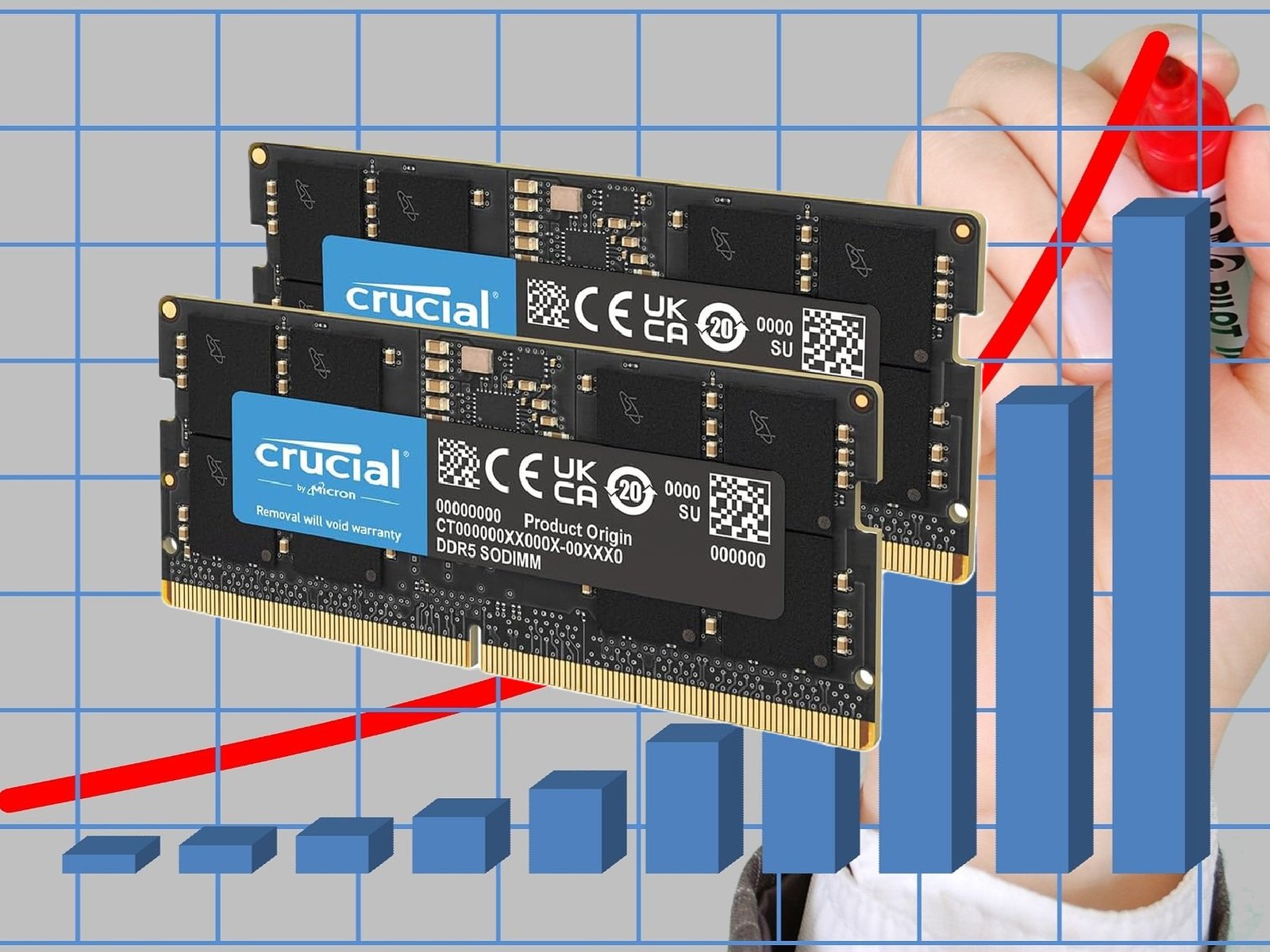
Over the past few months, PC builders, gamers, and even regular laptop users in Pakistan have been shocked by one thing: RAM prices have skyrocketed. Whether it’s DDR4 or DDR5, almost every capacity and brand has jumped far beyond what buyers were expecting.
If you’re wondering why this happened and whether RAM will become affordable again, you’re not alone. This blog breaks down the global and local factors causing this surge — and what the future looks like for Pakistani consumers.
1. Global Supply Shortage Driven by AI & Data Centers
The biggest reason behind the RAM price hike is the explosive demand for memory chips in AI, cloud computing, and large-scale data centers.
✔ AI training uses massive amounts of RAM
Large models like ChatGPT, Gemini, Llama, and enterprise AI systems rely on very high-capacity memory — not the consumer DDR4/DDR5 we use at home, but HBM (High Bandwidth Memory) and server-grade DRAM.
However, chip manufacturers often share the same production capacity for both consumer and server memory.
✔ Manufacturers shifted focus
Samsung, Micron, Hynix — the three largest RAM makers — shifted capacity towards high-margin server and AI memory because it is far more profitable.
This means:
- Less DDR4 production
- Limited DDR5 production
- Very slow restocking cycles
With supply shrinking and demand rising, consumer RAM prices shot up.
2. Reduced Manufacturing Output & Increased Production Costs
Even outside AI demand, the cost of manufacturing memory has gone up:
- Higher silicon wafer prices
- Increased electricity cost (fabrication factories consume massive energy)
- More expensive packaging and logistics
- Investments in new advanced fabs
Many manufacturers even intentionally reduced DRAM output during the last two years because RAM prices were too low. Now that supply is tight, prices are climbing fast to balance losses.
3. Import Costs & Currency Instability in Pakistan
In Pakistan, the global crisis gets amplified.
✔ Dollar rate directly affects RAM price
Since RAM is 100% imported, every rise in the USD–PKR exchange rate increases the cost of:
- Landing the product
- Paying customs
- Shipping to retailers
A 1–2% fluctuation in the dollar often translates into a disproportionate increase in retail price, especially when retailers expect future shortages.
✔ Duties, taxes, and distributor margins
Even when global RAM prices stabilize, Pakistani prices remain sensitive because:
- Import duties
- Shipping charges
- Distributor and retailer markups
all contribute to the final cost.
4. Retail Stock-Holding & Panic Buying
Whenever tech news predicts shortages, a chain reaction begins:
✔ Importers hold stock
They intentionally release inventory slowly, expecting prices to rise further.
✔ Retailers raise prices pre-emptively
Even if their current stock was bought cheaper.
✔ Consumers start panic buying
When buyers worry the price will increase next week, they buy early — which increases demand and pushes the price even higher.
This psychological cycle is common in hardware markets.
5. DDR4 Is Nearing End-Of-Life — And That’s Bad for Prices
A major reason DDR4 prices in Pakistan have spiked is because manufacturers are ending DDR4 production.
Even though millions of people in Pakistan still run:
- 6th–9th gen Intel CPUs
- Ryzen 1000/2000/3000 series
- Older office PCs
…DDR4 supply is shrinking globally. Less supply + same demand = higher prices.
This is exactly what happened with:
- DDR3 (prices tripled)
- DDR2 (became extremely rare and expensive)
DDR4 is now entering the same phase.
Will RAM Prices Return to Normal?
This is the question everyone wants answered — and the truth is yes and no, depending on the type of RAM.
✓ Will DDR5 Prices Come Down? — POSSIBLY YES
Here’s the good news:
- More gamers and PC builders are switching to 12th, 13th, and 14th-gen Intel or Ryzen 7000, which support DDR5.
- Manufacturers are slowly expanding DDR5 production capacity.
- As DDR5 becomes mainstream, prices may normalize late 2025 or 2026.
However, the AI boom still puts pressure on supply.
✓ Will DDR4 Prices Come Down? — MOST LIKELY NO
Since DDR4 manufacturing is declining, DDR4 may:
- Stay expensive
- Increase further
- Become harder to find in future
If you’re planning a budget PC using DDR4, now is the best time before supply shrinks even more.
✓ Will Pakistani RAM Prices Come Down?
Only if:
- The dollar stabilizes
- Import duties remain consistent
- Global DRAM supply improves
Historically, Pakistan sees a slower price drop even when global rates fall, because import cycles can take months to adjust.
In short:
• DDR5 may become cheaper (eventually)
• DDR4 is unlikely to return to older low prices
• Prices in Pakistan will fall slower than global markets
6. DDR4 Price Trend (2024–2026)
DDR4 is the most affected category because global manufacturing is slowing down as manufacturers shift to DDR5.
DDR4 8GB (2666/3200MHz)
| Period | Avg Market Price | Trend |
|---|---|---|
| Q1 2024 | PKR 2,800 – 3,200 | Stable / declining |
| Q2 2024 | PKR 3,000 – 3,500 | Slight increase |
| Q3 2024 | PKR 3,200 – 4,000 | Upward |
| Q4 2024 | PKR 4,000 – 4,800 | Strong upward |
| Q1 2025 | PKR 5,000 – 5,800 | Sharp rise |
| Q4 2025 | PKR 6,000 – 7,500 | Peak pricing |
Change (2024 → 2026): +190% to +220%
DDR4 16GB (3200MHz)
| Period | Avg Market Price | Trend |
|---|---|---|
| Q1 2024 | PKR 7,000 – 8,000 | Stable |
| Q2 2024 | PKR 8,200 – 8,800 | Slight increase |
| Q3 2024 | PKR 9,000 – 10,500 | Upward |
| Q4 2024 | PKR 11,000 – 13,000 | Surge begins |
| Q1 2025 | PKR 14,000 – 16,500 | Major spike |
| Q4 2025 | PKR 17,000 – 20,000+ | Highest point |
Change (2024 → 2026): +210% to +350%
Reasons:
- DDR4 production is in phase-out
- Distributors hoarding due to expected shortage
- High demand from budget PC builders in Pakistan
DDR5 Price Trend (2024–2026)
DDR5 was stable in 2024 and only surged when global memory shortages intensified due to AI server memory demand.
DDR5 8GB (4800–5600MHz)
| Period | Avg Market Price | Trend |
|---|---|---|
| Q1 2024 | PKR 6,000 – 6,500 | Stable |
| Q2 2024 | PKR 5,800 – 6,200 | Slight dip (oversupply) |
| Q3 2024 | PKR 6,000 – 6,800 | Gradual rise |
| Q4 2024 | PKR 7,200 – 8,000 | Noticeable rise |
| Q1 2025 | PKR 8,500 – 10,000 | Strong upward |
| Q4 2025 | PKR 11,000 – 13,000 | High pricing |
Change (2024 → 2026): +170% to +200%
DDR5 16GB (5200–6000MHz)
| Period | Avg Market Price | Trend |
|---|---|---|
| Q1 2024 | PKR 12,000 – 13,500 | Stable |
| Q2 2024 | PKR 11,500 – 13,000 | Minor dip |
| Q3 2024 | PKR 13,000 – 14,500 | Upward |
| Q4 2024 | PKR 15,000 – 17,000 | Climbing |
| Q1 2025 | PKR 18,000 – 22,000 | Major jump |
| Q4 2025 | PKR 24,000 – 30,000+ | Peak point |
Change (2024 → 2026): +190% to +240%
Reason:
Much of the manufacturing capacity was diverted to HBM and server-grade DRAM, starving the consumer DDR5 market.
Should You Buy RAM Now or Wait?
Buy now if:
- You need DDR4 (it will only get more expensive).
- Your PC is lagging and you need RAM urgently.
- You find a good deal in local markets.
Wait if:
- You’re planning a DDR5 system upgrade.
- Your build is still in the planning phase.
- You are unsure of your final PC specs.
Final Thoughts: Why RAM Prices Feel Unfair — But Are Not a Local Issue
Pakistan isn’t alone — RAM prices have risen sharply worldwide due to:
- The AI boom
- Memory shortages
- Reduced DDR4 output
- Rising fabrication costs
- Currency instability
- Import and retailer margins
While the situation looks frustrating, understanding these factors helps consumers make smarter decisions.